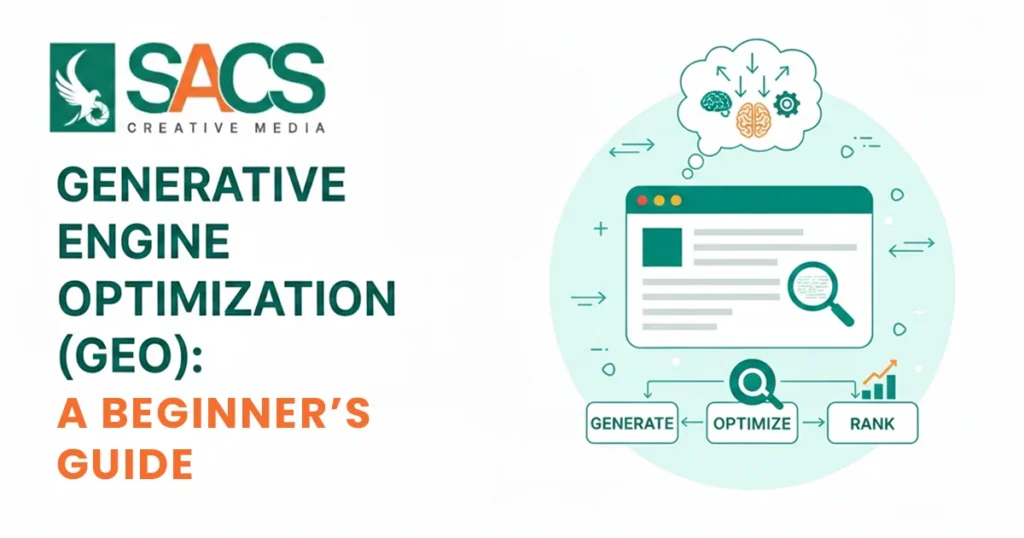
Generative Engine Optimization (GEO): A Beginner’s Guide
The digital world is evolving rapidly, driven by new technologies and changing user behavior. People now expect faster, smarter, and more personalized online experiences than ever before. With artificial intelligence (AI) becoming deeply entrenched in how people search for information, traditional SEO is no longer sufficient by itself. Welcome to the age of Generative Engine Optimization (GEO) — a new frontier in making your content discoverable, relevant, and authoritative in environments powered by AI responses rather than classic search rankings.
In this comprehensive guide, we’ll break down what GEO is, why it matters, how it differs from traditional SEO, and how you can start applying it today to make your content not just visible, but trusted by generative engines.
What is Generative Engine Optimization (GEO)?
Generative Engine Optimization, or GEO, is the practice of optimizing digital content so that it is easily discovered, understood, and cited by AI-powered search engines and Large Language Models (LLMs). Platforms like Google’s AI Overviews (formerly SGE), ChatGPT, Microsoft Copilot, Gemini, and Perplexity don’t just show a list of links; they synthesize information from various sources to provide a direct, conversational answer to a user’s prompt.
While traditional SEO focuses on getting your website to the top of a Search Engine Results Page (SERP), GEO focuses on becoming the source of truth that the AI chooses to include in its generated response.
How GEO Differs from Traditional SEO
It’s easy to conflate GEO with classic SEO — after all, both aim to increase content visibility. But the way they operate and what they prioritize diverge significantly:
1. Goal Orientation
- Traditional SEO focuses on improving search engine rankings (like getting to page one on Google).
- Generative Engine Optimization focuses on AI citation and usage in generated responses, ensuring the content is contextualized correctly by AI systems.
2. Optimization Signals
- SEO typically emphasizes backlinks, keyword density, meta tags, and technical site health.
- GEO prioritizes semantic clarity, structured content, real expertise, and the ability of AI to interpret your message.
3. Success Metrics
- Traditional success is gauged by rankings and organic traffic.
- GEO success involves AI visibility, citation frequency, and relevance in answer generation.
Why GEO Matters in the Modern Search Landscape
AI is already part of everyday life. Users increasingly rely on generative engines for answers, research, and even product recommendations. If your content isn’t designed to be read by AI systems, it risks being ignored entirely — even if it ranks well in traditional search.
For businesses, this shift is transformational. Early adoption of GEO strategies ensures your brand, services, and insight become part of the narrative that AI systems deliver to users. Whether you’re a global brand or a niche boutique, this can significantly influence visibility, thought leadership, and conversion paths. This is precisely why digital agencies and specialists like an SEO Company in UAE are starting to integrate GEO into their service offerings alongside traditional SEO.
Core Principles of Generative Engine Optimization
To succeed with Generative Engine Optimization, you must adhere to several foundational principles that demonstrate Experience, Expertise, Authoritativeness, and Trustworthiness (E-E-A-T) — critical elements not just for SEO but for modern digital trust overall.
1. Understand Search Intent
At its heart, GEO is rooted in answering real user needs. Generative engines don’t just look at keywords — they interpret context, intent, and depth. Understanding why someone asks a question and crafting content that directly answers that need is essential.
2. Demonstrate Expertise and Experience
Your content should reflect genuine expertise. This includes:
- Accurate, well-researched information
- Author bios with credentials
- References to trusted sources
- First-hand insights
AI systems favor content that reflects deep knowledge and experience, making it far more likely to be cited.
3. Build Authoritativeness
Authority is about more than keywords. It’s about being a trusted voice in your niche. Strategies that strengthen authority include:
- Linking to and being linked from reputable sites
- Citing credible research and statistics
- Publishing comprehensive, fact-dense content
Search engines and generative systems reward content that stands out as high quality and credible.
4. Foster Trustworthiness
Trustworthiness is achieved through transparency and accuracy:
- Clear definitions and straightforward language
- Correct usage of data
- Ethical and balanced viewpoints
- Transparent sourcing
AI models are trained to prefer truthful information — misleading, vague, or unverified content is less likely to be used.
GEO Optimization Strategies
Now that you understand the core principles, let’s dive into actionable strategies that can help your content perform better in AI-powered environments.
1. Structure Content Smartly
AI systems prefer well-organized, semantically clear content. Break your content into logical sections using descriptive headings and clear paragraphs. This helps engines pinpoint key points easily without confusion.
Use Schema Markup
Structured data — like FAQ or HowTo schema — helps both traditional search engines and generative models understand page context. Adding schema for organizations, people, products, and FAQs increases the likelihood of being pulled into AI responses.
Infuse Content with Data and Examples
AI systems lean heavily on specific, factual information. Including real figures, case studies, and examples makes your content more citation-worthy. Be sure to source your data — reputable references improve your credibility.
3. Write for Humans and Machines
While you optimize for AI, don’t forget the human reader. Content that is helpful, engaging, and informative will naturally satisfy AI models that are designed to mimic human understanding and language patterns.
4. Expand Topical Coverage
Cover topics thoroughly. Don’t just provide surface-level information — explore subtopics, related questions, and nuances. This reinforces your perceived expertise in a subject area.
5. Use Internal Linking Strategically
Link related content across your site to help generative engines understand relationships between concepts and build thematic authority. Well-structured content clusters offer clear topical signals.
6. Regularly Update Content
Generative engines favor content that reflects current knowledge and trends. Refresh your posts periodically, update stats, and add new insights whenever possible.
Measuring Your Generative Engine Optimization Success
Unlike traditional SEO metrics (rankings and backlink counts), GEO success should be measured with indicators like:
- Frequency of AI citations in generated answers
- Engagement time on content
- Replies or shares when content appears in user chats
- Content relevance scores
Using analytics tools that track AI mentions and content performance in generative contexts helps you iterate and improve your strategy.
Common GEO Mistakes to Avoid
Avoid these pitfalls:
- Writing thin, generic content
- Overloading keywords without context
- Neglecting structured data
- Ignoring content updates
These undermine both user value and AI visibility. Instead, focus on depth, clarity, and factual accuracy.
Future of GEO — And Why It Matters
Generative Engine Optimization is more than a buzzword — it is quickly becoming integral to content strategies across industries. As AI systems evolve and become the default way many people seek answers, Generative Engine Optimization will define which voices are heard and trusted. Businesses and creators who adopt GEO now are positioning themselves for long-term relevance and visibility in an AI-driven informational universe.
Conclusion
Generative Engine Optimization (GEO) represents the next step in optimizing content for a world dominated by AI-powered search and discovery. It goes beyond keywords and backlinks to focus on context, authority, experience, and trustworthiness. By embracing GEO and aligning your content with modern search behaviors, you future-proof your digital presence and open up new ways for audiences to find and trust your work.