In today’s competitive digital landscape, having a visually appealing website is not enough. Search engines now prioritize websites that are fast, secure, and structured properly. That is why businesses increasingly rely on experts like the Best SEO Agency in Dubai to ensure their websites are built on a strong technical foundation that supports long-term visibility and ranking growth.
Modern search engines evaluate hundreds of technical signals before ranking a website. These include site speed, mobile usability, indexing structure, crawlability, and security protocols. Without these elements in place, even the most engaging content may fail to reach the right audience.
This is where the concept we are discussing becomes essential for every website owner, marketer, and business strategist in 2026. Understanding how your website communicates with search engines is no longer optional, it is a necessity for sustainable online success.
What is Technical SEO
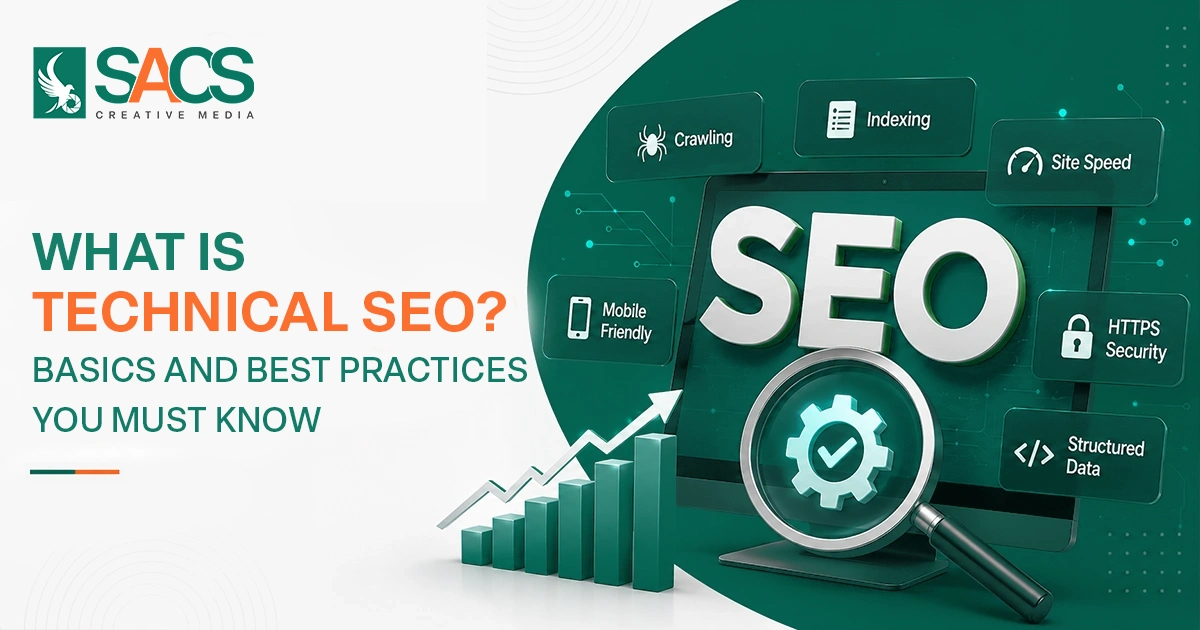
This refers to the process of optimizing a website’s infrastructure so that search engines can easily crawl, index, and understand its content. Unlike content-focused optimization, it focuses on backend improvements that enhance website performance and visibility.
It ensures that your website meets the technical requirements of modern search engines such as Google. When implemented correctly, it allows search engine bots to access your pages without obstacles, interpret your content accurately, and rank your site more effectively.
Key elements include:
- Website crawlability
- Indexing structure
- Site speed optimization
- Mobile responsiveness
- Secure connections (HTTPS)
- Structured data implementation
- XML sitemaps and robots.txt optimization
Without these components properly configured, search engines may struggle to understand your website, leading to lower rankings regardless of content quality. In simple terms, it acts as the backbone of your website’s search visibility. It ensures that all other SEO efforts such as content creation, keyword targeting, and link building actually work properly and deliver real results.
Basics of Technical SEO or Technical SEO Basics
Understanding the fundamentals is essential before diving into advanced optimization techniques. These basics form the foundation of a healthy and search-friendly website.
1. Website Crawlability
Search engines use bots (also called crawlers) to discover web pages. If your website structure is confusing or blocked, these bots may not be able to access important pages. A clean site architecture ensures smooth navigation for both users and search engines.
Important factors include:
- Internal linking structure
- Clean URL hierarchy
- Proper navigation menus
- Avoiding broken links
2. Indexing Structure
Once a page is crawled, it must be indexed to appear in search results. Proper indexing ensures that search engines store and display your pages correctly.
To improve indexing:
- Use XML sitemaps
- Avoid duplicate content
- Set correct canonical tags
- Monitor indexing in search console tools
3. Site Speed Optimization
Website loading speed is one of the most critical ranking factors. A slow website increases bounce rates and reduces user engagement.
Speed optimization techniques:
- Compress images
- Use caching mechanisms
- Minimize JavaScript and CSS files
- Use a reliable hosting provider
4. Mobile-Friendly Design
With mobile-first indexing becoming standard, websites must be fully responsive. A mobile-friendly design ensures that users have a seamless experience across all devices.
Key considerations:
- Responsive layouts
- Readable fonts
- Optimized buttons and navigation
- Fast mobile loading speed
5. Secure Website (HTTPS)
Security is a ranking factor and a trust signal. Websites using HTTPS encrypt user data, making them safer for visitors.
Benefits include:
- Improved trust
- Better rankings
- Secure data transfer
6. Structured Data
Structured data helps search engines understand your content better by providing context. It can also improve how your pages appear in search results through rich snippets.
Examples include:
- Reviews
- FAQs
- Product information
- Articles
7. XML Sitemap and Robots.txt
These files guide search engines through your website.
- XML sitemap: Lists all important pages
- Robots.txt: Tells bots which pages to crawl or avoid
Together, they ensure efficient crawling and indexing.
Best Practices of Technical SEO
Implementing best practices ensures your website remains optimized, competitive, and ready for algorithm updates in 2026 and beyond.
1. Regular Website Audits
Performing frequent audits helps identify issues like broken links, duplicate content, and crawl errors. Tools like Google Search Console and other auditing platforms can help detect problems early.
2. Optimize Core Web Vitals
Core Web Vitals measure user experience in terms of loading speed, interactivity, and visual stability. Improving these metrics enhances both user satisfaction and rankings.
Focus areas:
- Largest Contentful Paint (LCP)
- First Input Delay (FID)
- Cumulative Layout Shift (CLS)
3. Fix Broken Links and Redirects
Broken links negatively impact user experience and search engine crawling. Regularly monitor and fix them using proper redirects (301 redirects) to maintain link equity.
4. Improve Website Architecture
A well-structured website helps users and search engines find content easily. Keep your structure simple and organized with clear categories and internal linking.
5. Optimize URL Structure
Clean and descriptive URLs improve readability and indexing. Avoid long strings of numbers or unnecessary parameters.
Example:
- Good: /best-seo-tips
- Bad: /page?id=12345&ref=abc
6. Enhance Image Optimization
Large images can slow down websites significantly. Always compress images and use modern formats like WebP for better performance.
7. Ensure Proper Canonicalization
Duplicate content can confuse search engines. Canonical tags help specify the original version of a page and prevent ranking dilution.
8. Improve Internal Linking Strategy
Internal links distribute authority across your website and help users discover related content easily. Use relevant anchor text and avoid over-linking.
9. Monitor Crawl Errors
Regularly check for crawl errors that may prevent search engines from accessing important pages. Fixing these issues ensures better visibility.
10. Keep Website Updated
A regularly updated website signals freshness and relevance. Update plugins, themes, and content structures to maintain performance and security.
Conclusion
In 2026, website performance and structure are just as important as content quality. Businesses that ignore technical foundations often struggle to achieve consistent rankings, even with strong marketing efforts.
A properly optimized website ensures better indexing, faster performance, improved user experience, and higher visibility across search engines. By focusing on the fundamentals and following best practices, any business can build a strong digital presence that stands the test of time. If you want long-term SEO success, investing in technical optimization is not optional. It is essential for sustainable growth in the digital world.